Start with a task that benefits from people being together. A hardware review may require several people to examine the same mockup. A remote-friendly document review can take place over two days, with a short call only for disagreements. Decide which reason applies before reserving the same office day for everyone.
Map the people each task depends on. If a reviewer comes in on Monday and the team doing the work comes in Thursday, adding an office day by itself will not create overlap. Try bundling the review and any related handoff into the slot the necessary people can actually attend.
Make one week visible
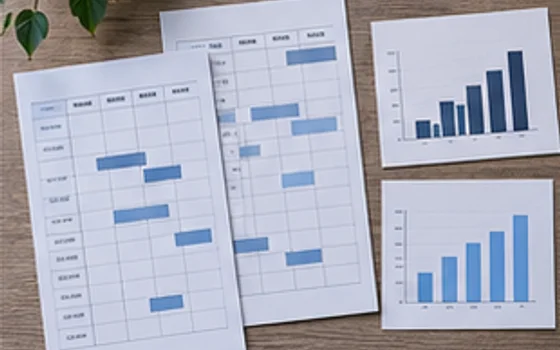
For a sample week, a product team could send its comparison document on Tuesday, examine prototypes together on Wednesday afternoon, and invite a remote colleague to check the decision by Thursday. The Wednesday slot matters because two people need to see the same prototypes. Tuesday’s reading and Thursday’s written approval still have clear owners.
Stanford SIEPR’s working paper describes a hybrid pattern tested within one company. The schedule and job mix are specific to that setting. Use the example to think about how a team defines its pattern and outcomes while you check which tasks really need overlap in your own week. Stanford Institute for Economic Policy Research
Name the work that requires the same time or place
Before scheduling a shared office day, find a case that the team sometimes struggles with remotely. It might involve a prototype several people need to inspect, a discussion about how to lay out a workspace, or an urgent choice affecting owners from more than one team. Write down which work would improve with physical access and which pieces could still be done in each person’s own time. The difference can show which people need the same room and which can contribute to a document or a smaller decision call.
Suppose the prototype is available only on Wednesday. Two people at the office can test several options while a third colleague receives the measurements through the shared record. Ask the remote colleague what they need to provide useful input. They might need a named photo of each version or a quick check from a second camera before choosing. If they have to verify a physical dimension in person, give them time to inspect it on a different day before the final decision. A team can keep physical review for the parts that need it and assign the rest deliberately.
Use the week’s access and timing constraints for each participant. A person might come to the office the whole day while the work needs them for only forty minutes in the afternoon. Offer a block that lets them do related work near that time, such as reviewing the sample and agreeing the handoff. If several teams attend one place on different days, choose the narrow overlap time around the actual work. Consider where to put tasks that require quiet or a longer stretch without interruption.
Confirm access to the prototype before people travel
Make a short list of which facts and samples must be ready for the session. A designer can bring two comparable options, and a testing lead can say what the group must observe to choose one. Put the current photos, dimensions, or scenario in a shared location. Allow remote staff time to ask for details while there is still a chance to gather them. If the required prototype has not arrived, decide whether the session has another purpose or should move. An hour labeled “collaboration” is easier to use when the group can state a decision it expects to make or a test it can run.
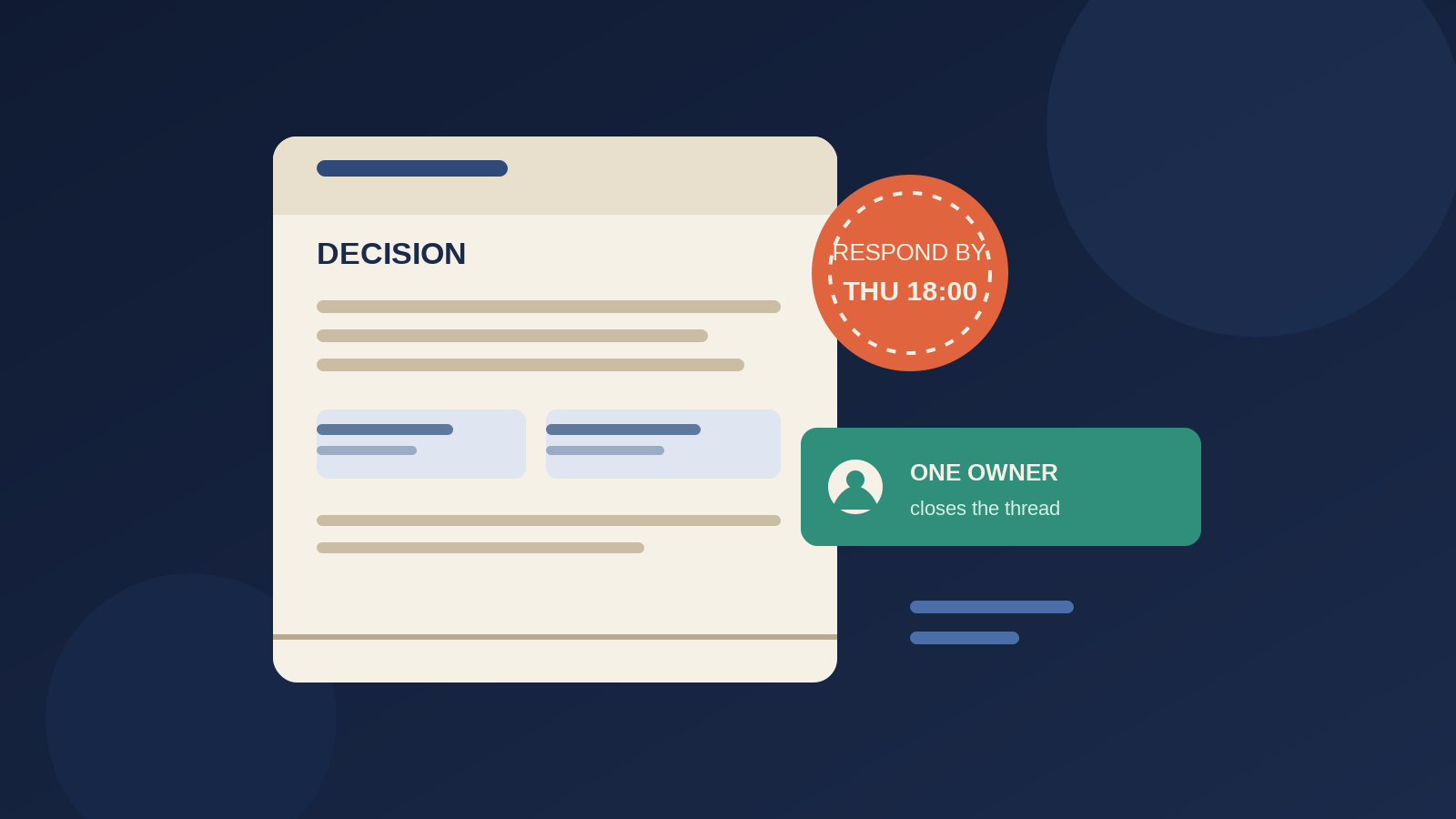
GitLab discusses the experience gap when some colleagues meet in a room and others join remotely. Its guide suggests planning for participation and making context clear. Give someone in the room the job of carrying the decisions into the shared document, and ask an attendee online to check that they can use the material. If the people needed for approval cannot follow a live test, make a record they can review and keep the decision open for a stated period. GitLab
Record which problem the time together solved
After a few weeks, review the office blocks against the work they were supposed to support. Suppose the group met to check a mockup and finished the test, but feedback on a draft still came much later. Keep the in-person test if it actually depended on access to the mockup. Review the delayed comments separately and ask which constraint prevented a quick response. A change to the review deadline and shared file may solve it without taking another day on the calendar.
Stanford SIEPR’s working paper describes one company’s trial of a hybrid schedule. It examines specific work groups and an agreed schedule. Keep that scope when you read the results. Your observations concern the tasks and colleagues you work with, and can guide a smaller team decision about how to use overlap. Stanford Institute for Economic Policy Research
End a planning discussion with the next session’s task, the people needed, and how absent colleagues can comment. If attendance depends on particular equipment or a supplier date, put that condition beside the invitation. If the outcome is mainly checking updates, see whether a shared brief would let people act sooner. Keep a short note of which dependency required the office block so the team can choose the same format again when it needs it.
Give remote participants a way to contribute
If a necessary colleague cannot be in the room, share images or measurements from the prototype ahead of time. Decide who will confirm the remote participant can see and hear enough to contribute. GitLab’s remote meetings guide discusses problems that come up when some colleagues are in a room and others join remotely. Include the remote contribution in the decision about whether to use a hybrid meeting at all. GitLab
At the end of the week, ask which dependency the time together resolved. “The reviewer could confirm which hinge would be reachable from the loading area” gives you a reason to keep that format for similar work. “Everyone was there” shows attendance and leaves the value of the session open. Move routine status work to a shared place when the group can handle it on its own schedule.
When changing an office day across the team, record the previous pattern and try the new schedule as a pilot.