Look at the last four status meetings before cancelling the next one. If most time goes to reading out what is already on a board, move that part to a written brief. Preserve occasions when people use the call to negotiate deadlines or unblock work.
Choose a delivery time and one place where the brief can be found. Include changed information, the next date that affects other people, and any decision someone needs to make. A reader in another time zone can skim the update and find the detailed task when something affects them.
The release moved from Tuesday to Thursday after the access test slipped. Screenshots are ready. We need support to confirm coverage until 18:00 UTC on Thursday. Please add the staffing answer on the release ticket by Wednesday noon UTC. If there is a gap, we will discuss which customers can be included.
Agree when a blocker needs a call
GitLab’s guide asks teams to consider asynchronous work before scheduling a meeting. Pick a practical condition for calling one. For the example above, the team can handle a yes or no in writing. A call may help if the available staff can only cover part of the release and several groups need to settle the scope together. GitLab
Set the convention as a working agreement. Identify who prepares the brief, who replies to a blocker, and where someone can suggest changing the format. Atlassian’s team exercise covers communication norms that can be reviewed and updated over time. Atlassian
Find the work the meeting currently does
Read the note or recording index from the last four sessions. Mark where people shared routine progress, where someone changed a decision, and where a conflict needed immediate discussion. A recurring call may do several jobs at once. Moving readouts into a brief can free time while the team keeps a shorter route for a decision that really needs simultaneous input. Ask someone who regularly joins from another time zone which details they need from the written update.
Imagine a project group that meets for forty minutes every Thursday. The first half hour is reading a board while the last ten minutes usually resolve one resource conflict. Someone could share the board changes on Wednesday, ask for comments before a particular time, and reserve a much smaller live slot when a conflict remains. Make the meeting optional or cancel it when the questions are already resolved according to the team’s process. Record which decision really needed discussion. That gives you something to compare after the trial.
GitLab’s remote meeting handbook asks teams to consider whether the work needs a meeting and share context when it does. Its guidance is useful for deciding what can move to an asynchronous record. Keep the place where people act on the work. If the live meeting produced a decision that fed a planning tool, someone still needs to record it there after a written discussion. GitLab
Build the brief around decisions that could slip
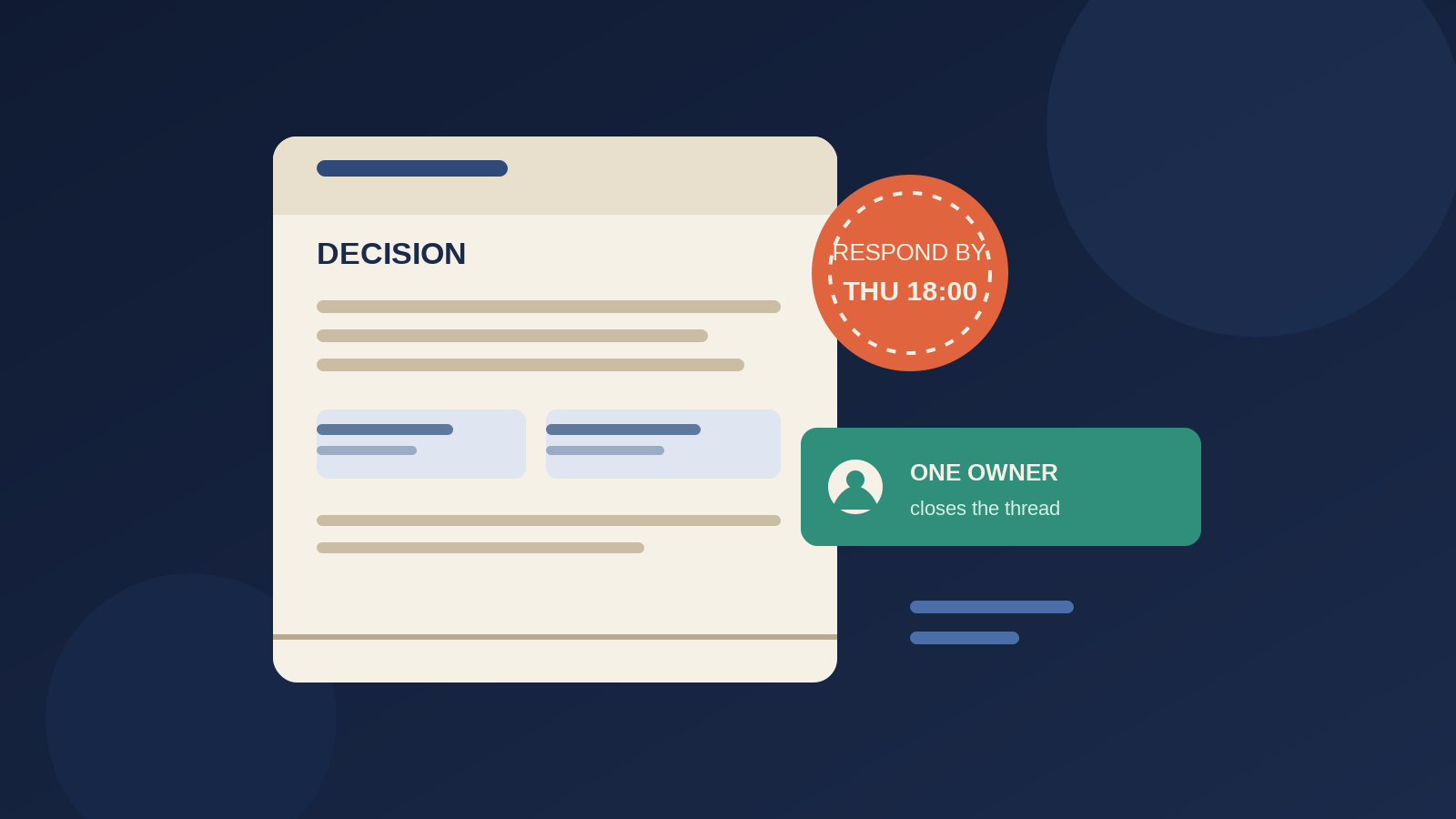
Give each issue one line linking to the current task. Use the line to tell a reader what changed and when they have to act. For example, a delivery moved after a test failed, and a support lead needs to confirm the new staffed window. State which person owns that answer and what counts as confirmation. A reader might reply with the hours or ask another owner to verify coverage. The rest of the group can see that the release date remains conditional.
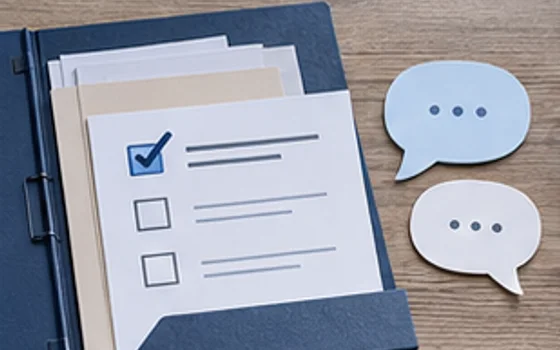
Give routine fields stable meanings. “Completed” can mean the work has been accepted in the tracker. “At risk” can describe a foreseeable date change with a next check. “Decision needed” should include the actual question and which group will answer. You might need a separate place for longer background and decisions already made. Link to the details if a reader needs them. A regular brief can remain readable when yesterday’s facts stay with the task and only changed conditions make it into the new post.
Ask the team to agree who prepares it, when it appears, and where responses belong. Atlassian’s working-agreement play discusses agreeing communication and collaboration preferences as a team. Add rules for a missing author and an open question due when the usual reviewer is off. If a team member keeps finding a request late, check whether they knew about the Wednesday cutoff before changing the amount of information the brief contains. Atlassian
Track the new work you created as well as the meeting you removed
Suppose seven people attended the forty-minute meeting. The call consumed 280 participant minutes before preparation. In a sample week the written brief takes one person thirty minutes to prepare, six people spend eight minutes each reading it, and three people meet for fifteen minutes to settle a conflict. That uses 123 participant minutes under those assumptions. Include the time to search for missing details or record the decision when it occurs. Include the same preparation, reading, and follow-up steps when timing a real week.
Choose one check besides time. Track whether decisions still reach the right people by the deadline. If the new brief is quicker and one dependency keeps missing its slot, ask what detail was missing and whether a person should own the call. The next version can retain written status and make the agreement for the urgent case clearer. If the work still needs a live group, give it a time and a named question so the participants recognize what their attendance is for.
Check what the change did
Run the brief for three weeks. Track how often the update arrived on time and whether a dependency went unaddressed. Look at any calls you still needed. Note what triggered each one and whose participation mattered.
If the brief becomes a wall of text, archive status that has not changed and keep links to background where people can find them. If nobody sees a decision request, move it near the top and assign it to someone in the work tracker. If the old meeting served an informal purpose as well as reporting status, you can decide separately when the team wants time for that conversation.
Use an async update with an owner and an ask when a line in the brief needs a specific reply.